
The Healthcare Revolution Is NOW!
Transform Patient Care with Cutting-Edge Exosome Therapy
The Healthcare Revolution Is NOW!
Transform Patient Care with Cutting-Edge Exosome Therapy
The Healthcare Revolution Is NOW!
Transform Patient Care with Cutting-Edge Exosome Therapy
At BioExo Dynamics, LLC, we are passionately committed to pioneering regenerative medicine by distributing the highest-purity bone marrow-derived exosomes (PBME), meticulously sourced from rigorously screened, living U.S. donors. Through transformative partnerships with healthcare innovators—clinicians, and providers—we deliver cGMP-compliant, acellular therapies enriched with over 1,000 different types bioactive molecules. PBME treatment dramatically reduce inflammation, enhance cellular resilience, and drive tissue regeneration. Our mission is to empower superior health outcomes, surpassing the limitations of traditional autologous and allogeneic treatments, and inspiring a future of groundbreaking healing.
At BioExo Dynamics, LLC, we are passionately committed to pioneering regenerative medicine by distributing the highest-purity bone marrow-derived exosomes (PBME), meticulously sourced from rigorously screened, living U.S. donors. Through transformative partnerships with healthcare innovators—clinicians, and providers—we deliver cGMP-compliant, acellular therapies enriched with over 1,000 different types bioactive molecules. PBME treatment dramatically reduce inflammation, enhance cellular resilience, and drive tissue regeneration. Our mission is to empower superior health outcomes, surpassing the limitations of traditional autologous and allogeneic treatments, and inspiring a future of groundbreaking healing.
At BioExo Dynamics, LLC, we are passionately committed to pioneering regenerative medicine by distributing the highest-purity bone marrow-derived exosomes (PBME), meticulously sourced from rigorously screened, living U.S. donors. Through transformative partnerships with healthcare innovators—clinicians, and providers—we deliver cGMP-compliant, acellular therapies enriched with over 1,000 different types bioactive molecules. PBME treatment dramatically reduce inflammation, enhance cellular resilience, and drive tissue regeneration. Our mission is to empower superior health outcomes, surpassing the limitations of traditional autologous and allogeneic treatments, and inspiring a future of groundbreaking healing.
Why Choose PBMEs for Your Practice?
Why Choose PBMEs for Your Practice?
Why Choose PBMEs for Your Practice?
Revolutionizing Regenerative Medicine
Transform Patient Care with Exosomes
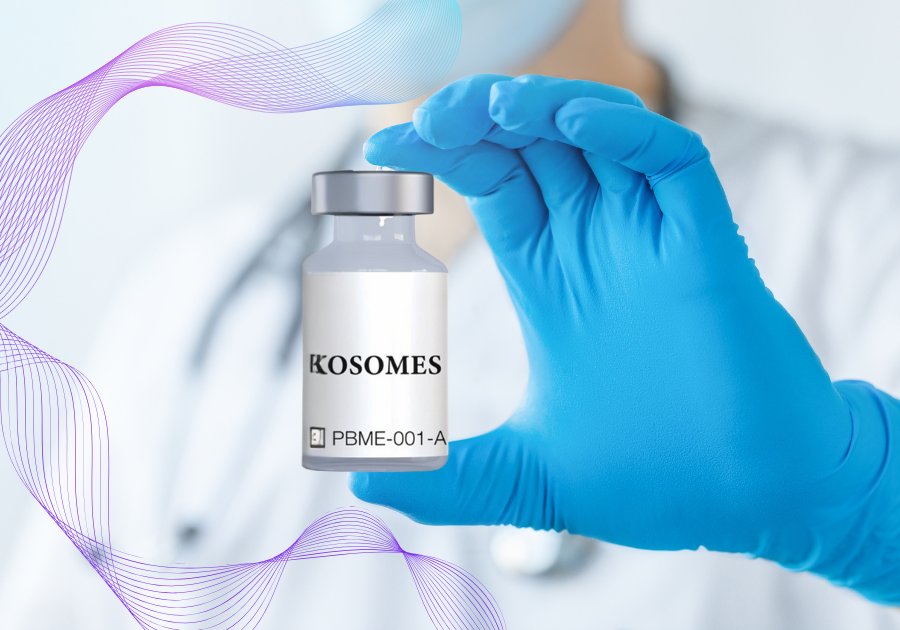
Revolutionizing Regenerative Medicine
Transform Patient Care with Exosomes
Revolutionizing Regenerative Medicine
Transform Patient Care with Exosomes
Harnessing Cutting-Edge Science for Transformative Treatments
Discover Pure Bone Marrow Exosomes, a groundbreaking cell-free therapy derived from mesenchymal stem cells (MSCs) in bone marrow. These nanoscale vesicles deliver potent bioactive molecules—proteins, miRNAs, and lipids—directly to damaged tissues, offering a safer, more targeted alternative to traditional stem cell therapies. With low immunogenicity and high stability, exosomes are redefining treatment possibilities for chronic and degenerative conditions.
Harnessing Cutting-Edge Science for Transformative Treatments
Discover Pure Bone Marrow Exosomes, a groundbreaking cell-free therapy derived from mesenchymal stem cells (MSCs) in bone marrow. These nanoscale vesicles deliver potent bioactive molecules—proteins, miRNAs, and lipids—directly to damaged tissues, offering a safer, more targeted alternative to traditional stem cell therapies. With low immunogenicity and high stability, exosomes are redefining treatment possibilities for chronic and degenerative conditions.
Harnessing Cutting-Edge Science for Transformative Treatments
Discover Pure Bone Marrow Exosomes, a groundbreaking cell-free therapy derived from mesenchymal stem cells (MSCs) in bone marrow. These nanoscale vesicles deliver potent bioactive molecules—proteins, miRNAs, and lipids—directly to damaged tissues, offering a safer, more targeted alternative to traditional stem cell therapies. With low immunogenicity and high stability, exosomes are redefining treatment possibilities for chronic and degenerative conditions.

A Breakthrough in Targeted Therapies:
Transform Treatment Paradigms
Pure Bone Marrow Exosomes represent the next frontier in regenerative medicine. Derived from mesenchymal stem cells (MSCs) in bone marrow, these nanoscale extracellular vesicles deliver bioactive cargo—proteins, lipids, and nucleic acids—directly to damaged tissues. Unlike traditional stem cell therapies, exosomes offer a cell-free alternative with reduced immunogenicity and enhanced stability, minimizing risks while maximizing therapeutic potential.
Backed by preclinical and early clinical data, Pure Bone Marrow Exosomes are poised to transform treatment paradigms for chronic conditions.
Mechanisms of Action:
Precision at the Cellular Level
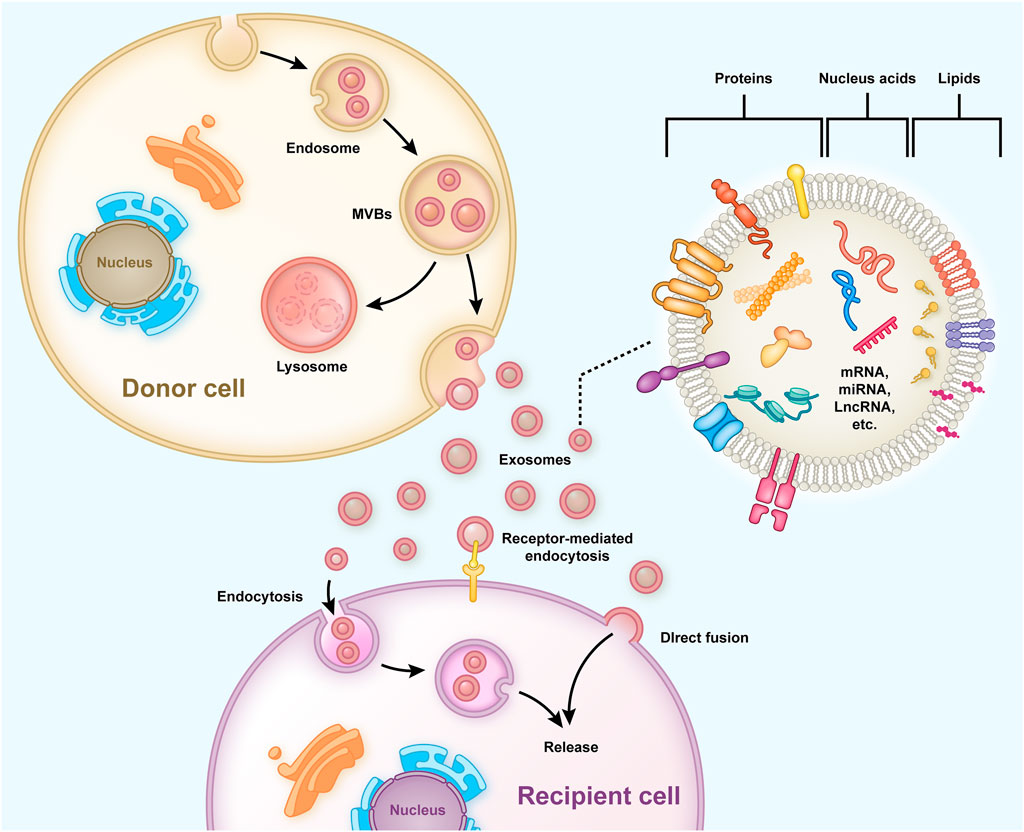
Exosomes and extracellular vesicles (EVs) are considered the primary mechanism of action (MOA) for bone marrow mesenchymal stem cells (BM-MSCs) because the therapeutic effects of MSCs are largely paracrine rather than due to direct cell engraftment or differentiation. This shift in understanding stems from observations that MSCs have low survival rates post-transplantation, yet their benefits persist, attributed to secreted EVs like exosomes carrying bioactive molecules.
Four Key Reasons:
- 1
Paracrine Signaling Dominance: BM-MSCs primarily act through secreted factors rather than integrating into tissues, with exosomes serving as key carriers of proteins, RNAs, and lipids that modulate recipient cells. A 2022 review in Cells & Bioscience highlights that MSC-derived exosomes perform regulatory functions by transporting these molecules, explaining why MSC-conditioned media replicates therapeutic effects without cells. Similarly, a 2021 study in Journal of Biomedical Science notes exosomes reflect MSC biophysical features and are more effective than MSCs themselves.
- 2
Replication of Therapeutic Effects: Isolated exosomes from BM-MSCs mimic the regenerative, anti-inflammatory, and immunomodulatory actions of parent cells, as shown in preclinical models. For instance, a 2022 study in Journal of Neuroinflammation demonstrated BM-MSC exosomes increase ATP, reduce oxidative stress, and activate PI3K/Akt in myocardial viability, paralleling MSC therapy. A 2020 Aging-US article found BM-MSC exosomes prevent osteoarthritis progression by inhibiting neuronal apoptosis via Wnt/β-catenin, replicating MSC benefits in bone repair.
- 3
Bioactive Cargo Delivery: Exosomes encapsulate and deliver specific cargos (e.g., miRNAs, growth factors) that drive gene expression changes in target cells, underpinning MSC’s MOA. A 2019 Asian Journal of Pharmaceutical Sciences study showed BM-MSC exosomes promote cell proliferation, migration, and invasion in osteosarcoma models via this cargo. Additionally, a 2025 Nature Scientific Reports exploration confirmed exosomes’ role in delivering miRNAs to the stem cell niche for intervertebral disc degeneration treatment.
- 4
Safety and Reduced Risks: Unlike whole MSCs, exosomes avoid risks like immune rejection or tumorigenesis, while retaining efficacy, supporting their role as the true MOA. A 2021 Frontiers in Immunology review emphasized BM-MSC exosomes inhibit neuronal apoptosis and promote motor recovery in spinal cord injury, offering safer alternatives. Clinical trials, such as NCT04213248 (Phase I for MSC exosomes in osteoarthritis), demonstrate comparable outcomes to MSC therapy without cell-related complications.
These mechanisms enable exosomes to address root causes of disease, offering a non-invasive, targeted approach superior to symptomatic treatments.
A Breakthrough in Targeted Therapies:
Transform Treatment Paradigms
Pure Bone Marrow Exosomes represent the next frontier in regenerative medicine.
Derived from mesenchymal stem cells (MSCs) in bone marrow, these nanoscale extracellular vesicles deliver bioactive cargo—proteins, lipids, and nucleic acids—directly to damaged tissues. Unlike traditional stem cell therapies, exosomes offer a cell-free alternative with reduced immunogenicity and enhanced stability, minimizing risks while maximizing therapeutic potential.
Backed by preclinical and early clinical data, Pure Bone Marrow Exosomes are poised to transform treatment paradigms for chronic conditions.
Mechanisms of Action: Precision at the Cellular Level
Exosomes and extracellular vesicles (EVs) are considered the primary mechanism of action (MOA) for bone marrow mesenchymal stem cells (BM-MSCs) because the therapeutic effects of MSCs are largely paracrine rather than due to direct cell engraftment or differentiation. This shift in understanding stems from observations that MSCs have low survival rates post-transplantation, yet their benefits persist, attributed to secreted EVs like exosomes carrying bioactive molecules.
Four Key Reasons:
1. Paracrine Signaling Dominance: BM-MSCs primarily act through secreted factors rather than integrating into tissues, with exosomes serving as key carriers of proteins, RNAs, and lipids that modulate recipient cells. A 2022 review in Cells & Bioscience highlights that MSC-derived exosomes perform regulatory functions by transporting these molecules, explaining why MSC-conditioned media replicates therapeutic effects without cells. Similarly, a 2021 study in Journal of Biomedical Science notes exosomes reflect MSC biophysical features and are more effective than MSCs themselves.
2. Replication of Therapeutic Effects: Isolated exosomes from BM-MSCs mimic the regenerative, anti-inflammatory, and immunomodulatory actions of parent cells, as shown in preclinical models. For instance, a 2022 study in Journal of Neuroinflammation demonstrated BM-MSC exosomes increase ATP, reduce oxidative stress, and activate PI3K/Akt in myocardial viability, paralleling MSC therapy. A 2020 Aging-US article found BM-MSC exosomes prevent osteoarthritis progression by inhibiting neuronal apoptosis via Wnt/β-catenin, replicating MSC benefits in bone repair.
3. Bioactive Cargo Delivery: Exosomes encapsulate and deliver specific cargos (e.g., miRNAs, growth factors) that drive gene expression changes in target cells, underpinning MSC’s MOA. A 2019 Asian Journal of Pharmaceutical Sciences study showed BM-MSC exosomes promote cell proliferation, migration, and invasion in osteosarcoma models via this cargo. Additionally, a 2025 Nature Scientific Reports exploration confirmed exosomes’ role in delivering miRNAs to the stem cell niche for intervertebral disc degeneration treatment.
4. Safety and Reduced Risks: Unlike whole MSCs, exosomes avoid risks like immune rejection or tumorigenesis, while retaining efficacy, supporting their role as the true MOA. A 2021 Frontiers in Immunology review emphasized BM-MSC exosomes inhibit neuronal apoptosis and promote motor recovery in spinal cord injury, offering safer alternatives. Clinical trials, such as NCT04213248 (Phase I for MSC exosomes in osteoarthritis), demonstrate comparable outcomes to MSC therapy without cell-related complications.
These mechanisms enable exosomes to address root causes of disease, offering a non-invasive, targeted approach superior to symptomatic treatments.
Transform Treatment Paradigms
A Breakthrough in Targeted Therapies:
Pure Bone Marrow Exosomes represent the next frontier in regenerative medicine. Derived from mesenchymal stem cells (MSCs) in bone marrow, these nanoscale extracellular vesicles deliver bioactive cargo—proteins, lipids, and nucleic acids—directly to damaged tissues. Unlike traditional stem cell therapies, exosomes offer a cell-free alternative with reduced immunogenicity and enhanced stability, minimizing risks while maximizing therapeutic potential.
Backed by preclinical and early clinical data, Pure Bone Marrow Exosomes are poised to transform treatment paradigms for chronic conditions.
Mechanisms of Action:
Precision at the Cellular Level
Exosomes and extracellular vesicles (EVs) are considered the primary mechanism of action (MOA) for bone marrow mesenchymal stem cells (BM-MSCs) because the therapeutic effects of MSCs are largely paracrine rather than due to direct cell engraftment or differentiation. This shift in understanding stems from observations that MSCs have low survival rates post-transplantation, yet their benefits persist, attributed to secreted EVs like exosomes carrying bioactive molecules.
Four Key Reasons:
1. Paracrine Signaling Dominance: BM-MSCs primarily act through secreted factors rather than integrating into tissues, with exosomes serving as key carriers of proteins, RNAs, and lipids that modulate recipient cells. A 2022 review in Cells & Bioscience highlights that MSC-derived exosomes perform regulatory functions by transporting these molecules, explaining why MSC-conditioned media replicates therapeutic effects without cells. Similarly, a 2021 study in Journal of Biomedical Science notes exosomes reflect MSC biophysical features and are more effective than MSCs themselves.
2. Replication of Therapeutic Effects: Isolated exosomes from BM-MSCs mimic the regenerative, anti-inflammatory, and immunomodulatory actions of parent cells, as shown in preclinical models. For instance, a 2022 study in Journal of Neuroinflammation demonstrated BM-MSC exosomes increase ATP, reduce oxidative stress, and activate PI3K/Akt in myocardial viability, paralleling MSC therapy. A 2020 Aging-US article found BM-MSC exosomes prevent osteoarthritis progression by inhibiting neuronal apoptosis via Wnt/β-catenin, replicating MSC benefits in bone repair.
3. Bioactive Cargo Delivery: Exosomes encapsulate and deliver specific cargos (e.g., miRNAs, growth factors) that drive gene expression changes in target cells, underpinning MSC’s MOA. A 2019 Asian Journal of Pharmaceutical Sciences study showed BM-MSC exosomes promote cell proliferation, migration, and invasion in osteosarcoma models via this cargo. Additionally, a 2025 Nature Scientific Reports exploration confirmed exosomes’ role in delivering miRNAs to the stem cell niche for intervertebral disc degeneration treatment
4. Safety and Reduced Risks: Unlike whole MSCs, exosomes avoid risks like immune rejection or tumorigenesis, while retaining efficacy, supporting their role as the true MOA. A 2021 Frontiers in Immunology review emphasized BM-MSC exosomes inhibit neuronal apoptosis and promote motor recovery in spinal cord injury, offering safer alternatives. Clinical trials, such as NCT04213248 (Phase I for MSC exosomes in osteoarthritis), demonstrate comparable outcomes to MSC therapy without cell-related complications.
These mechanisms enable exosomes to address root causes of disease, offering a non-invasive, targeted approach superior to symptomatic treatments.
Exosome Composition:
A Regenerative Powerhouse
Packed with power
PBMEs: Over 1,000 bio actives. A cGMP compliant product for limitless healings.
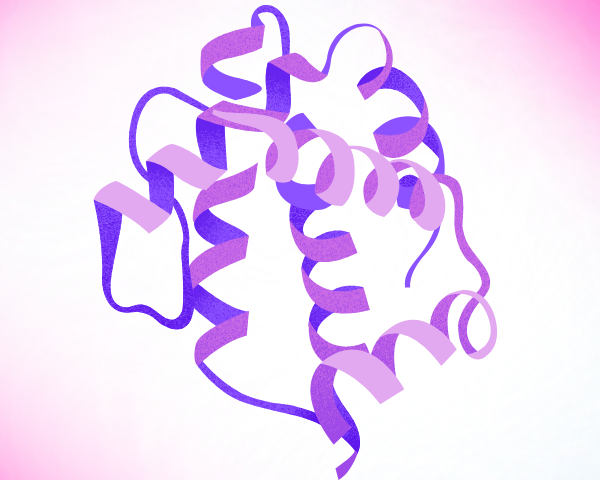
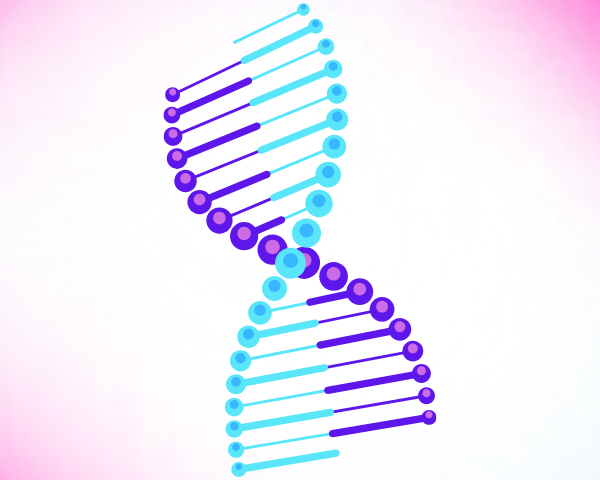
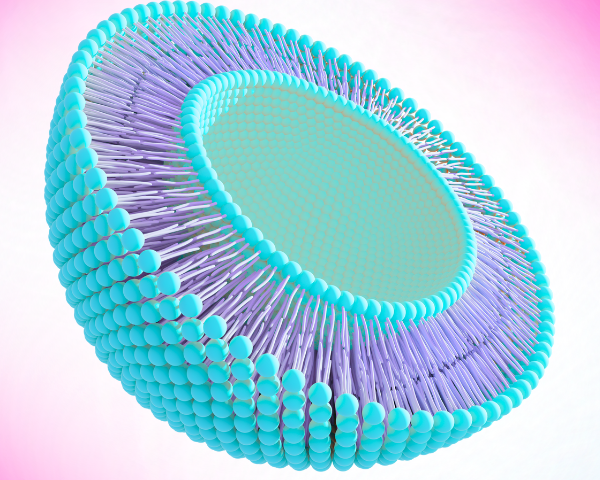
Exosome Composition:
A Regenerative Powerhouse
Packed with power
PBMEs: Over 1,000 bio actives. A cGMP compliant product for limitless healings.
Proven Potential Across The Board
All donors are precovid and are determined to be free from risk factors for, and clinical evidence of, infection due to relevant communicable disease agents and diseases, and are free from communicable disease risks including those associated with xenotransplantation and human transmissible spongiform encephalopathies. All donors are tested for relevant communicable diseases by a CLIA certified laboratory using approved test method and are deemed eligible according to 21 CFR 1271 Subpart Cby a responsible person (1271.3(t)).
| Specification | Result |
|---|---|
Human Origin Material |
Fresh Human Bone Marrow Aspirate |
Source Country |
United States of America |
Human immunodeficiency virus, type I (HIV type I) |
NONREACTIVE |
Human immunodeficiency virus, type 2 (HIV type 2) |
NONREACTIVE |
Hepatitis B virus (HBV) |
NONREACTIVE |
Hepatitis C virus (HCV) |
NONREACTIVE |
Treponema pallidum |
NONREACTIVE |
Human T-lymphotropic virus, type I (HTLV-I) |
NONREACTIVE |
Human T-lymphotropic virus, type II (HTLV-II) |
NONREACTIVE |
Cytomegalovirus |
NEGATIVE |
West Nile virus |
NONREACTIVE |
Zika virus |
NEGATIVE |
Trypanosoma cruz |
NONREACTIVE |
Processed in ISO 14644-1 level 7 Cleanroom |
PASSED |
Particle Size (approximately 30-150nm) 70nm ± 6.2nm |
PASSED |
Particle Quantity (>10 billion Exosomes/mL |
PASSED |
Sterility Test – Immersion USP <71> (SCD and FTM) |
NO GROWTH – PASSED |
If there’s an a certain treatment that you think PBME may be able to deliver results, do your own research.
Full references available in research library.
Proven Potential Across The Board
All donors are precovid and are determined to be free from risk factors for, and clinical evidence of, infection due to relevant communicable disease agents and diseases, and are free from communicable disease risks including those associated with xenotransplantation and human transmissible spongiform encephalopathies. All donors are tested for relevant communicable diseases by a CLIA certified laboratory using approved test method and are deemed eligible according to 21 CFR 1271 Subpart Cby a responsible person (1271.3(t)).
| Specification | Result |
|---|---|
Human Origin Material |
Fresh Human Bone Marrow Aspirate |
Source Country |
United States of America |
Human immunodeficiency virus, type I (HIV type I) |
NONREACTIVE |
Human immunodeficiency virus, type 2 (HIV type 2) |
NONREACTIVE |
Hepatitis B virus (HBV) |
NONREACTIVE |
Hepatitis C virus (HCV) |
NONREACTIVE |
Treponema pallidum |
NONREACTIVE |
Human T-lymphotropic virus, type I (HTLV-I) |
NONREACTIVE |
Human T-lymphotropic virus, type II (HTLV-II) |
NONREACTIVE |
Cytomegalovirus |
NEGATIVE |
West Nile virus |
NONREACTIVE |
Zika virus |
NEGATIVE |
Trypanosoma cruz |
NONREACTIVE |
Processed in ISO 14644-1 level 7 Cleanroom |
PASSED |
Particle Size (approximately 30-150nm) 70nm ± 6.2nm |
PASSED |
Particle Quantity (>10 billion Exosomes/mL |
PASSED |
Sterility Test – Immersion USP <71> (SCD and FTM) |
NO GROWTH – PASSED |
If there’s an a certain treatment that you think PBME may be able to deliver results, do your own research. Full references available in research library.
Proven Potential Across The Board
All donors are precovid and are determined to be free from risk factors for, and clinical evidence of, infection due to relevant communicable disease agents and diseases, and are free from communicable disease risks including those associated with xenotransplantation and human transmissible spongiform encephalopathies. All donors are tested for relevant communicable diseases by a CLIA certified laboratory using approved test method and are deemed eligible according to 21 CFR 1271 Subpart Cby a responsible person (1271.3(t)).
| Specification | Result |
|---|---|
Human Origin Material |
Fresh Human Bone Marrow Aspirate |
Source Country |
United States of America |
Human immunodeficiency virus, type I (HIV type I) |
NONREACTIVE |
Human immunodeficiency virus, type 2 (HIV type 2) |
NONREACTIVE |
Hepatitis B virus (HBV) |
NONREACTIVE |
Hepatitis C virus (HCV) |
NONREACTIVE |
Treponema pallidum |
NONREACTIVE |
Human T-lymphotropic virus, type I (HTLV-I) |
NONREACTIVE |
Human T-lymphotropic virus, type II (HTLV-II) |
NONREACTIVE |
Cytomegalovirus |
NEGATIVE |
West Nile virus |
NONREACTIVE |
Zika virus |
NEGATIVE |
Trypanosoma cruz |
NONREACTIVE |
Processed in ISO 14644-1 level 7 Cleanroom |
PASSED |
Particle Size (approximately 30-150nm) 70nm ± 6.2nm |
PASSED |
Particle Quantity (>10 billion Exosomes/mL |
PASSED |
Sterility Test – Immersion USP <71> (SCD and FTM) |
NO GROWTH – PASSED |
If there’s an a certain treatment that you think PBME may be able to deliver results, do your own research. Full references available in research library.
Why Choose Pure
Bone Marrow Exosomes?
Empower Your Practice!

Why Choose Pure
Bone Marrow Exosomes?
Empower Your Practice!
Why Choose Pure
Bone Marrow Exosomes?
Empower Your Practice!
